

LIBRE TELESCOPE
Menu
Book Event

Sky Guide

Tycho Crater

Quick Stats

Name:
Tycho Crater
Type:
Object
Observability:
Easy
Best telescope for viewing:
Celestron NexStar 127SLT Maksutov — for Tycho’s terraced rim and central peak. Binoculars show its long rays near full Moon.

How to view Tycho Crater

  1. Pick the lunar phase

    For Tycho’s rays, choose an evening near full Moon. For the terraced interior, return when the day–night boundary crosses the southern highlands.

  2. Find the bright impact center

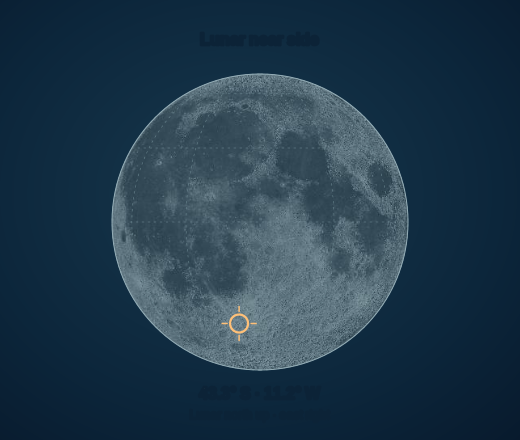
    Start with the whole lunar disk. Trace the long pale streaks back toward their common origin in the southern highlands.

  3. Compare the two views

    Sketch the rim and peak when shadows are long. Use the same sketch at full Moon to distinguish topographic detail from bright ejecta.

Best telescope for viewing Tycho Crater: Celestron NexStar 127SLT Maksutov — for Tycho’s terraced rim and central peak. Binoculars show its long rays near full Moon. on Amazon

A closer look at Tycho Crater

Near full Moon, point binoculars at the bright southern highlands and follow the pale streaks toward the spot where they meet. That spot is Tycho, an impact crater about 53 miles wide. The streaks are rays of material scattered across the lunar surface by the collision.

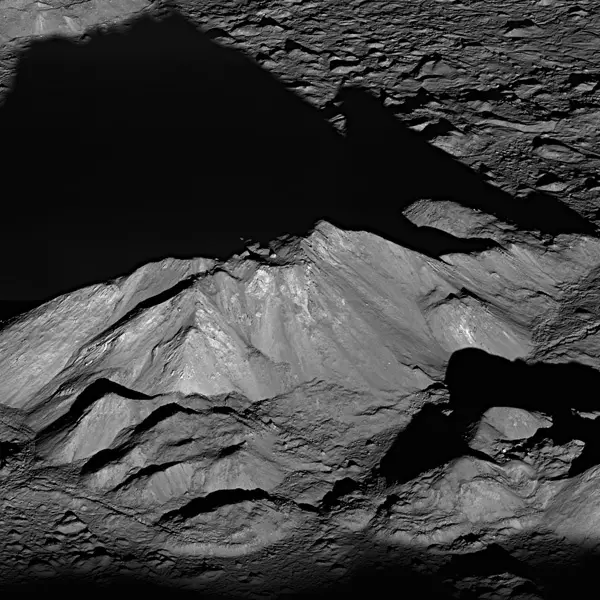
The blow compressed the rock beneath the crater so violently that part of the floor rebounded. A mountain now rises about 1.2 miles above that floor. The impact also melted rock, which flowed downhill and pooled before hardening again.

Tycho offers two quite different views in the same month. Near full Moon its rays stand out against the ground they cover. When the boundary between lunar night and day passes nearby, low sunlight throws shadows across the rim and central peak. Sketch it both ways and compare what you can pick out.

Want to learn more about Tycho Crater? Tycho (lunar crater) on Wikipedia.