

LIBRE TELESCOPE
Menu
Book Event

Sky Guide

The Moon

Quick Stats

Name:
The Moon
Type:
Object
Observability:
Naked eye
Best telescope for viewing:
Sky-Watcher Heritage 130P tabletop reflector — to inspect craters at the lunar terminator. The phases are visible by eye.

How to view The Moon

  1. Pick the phase

    From California, Oregon or Washington, try an evening around first quarter when strong relief runs across the half-lit Moon.

  2. Follow the terminator

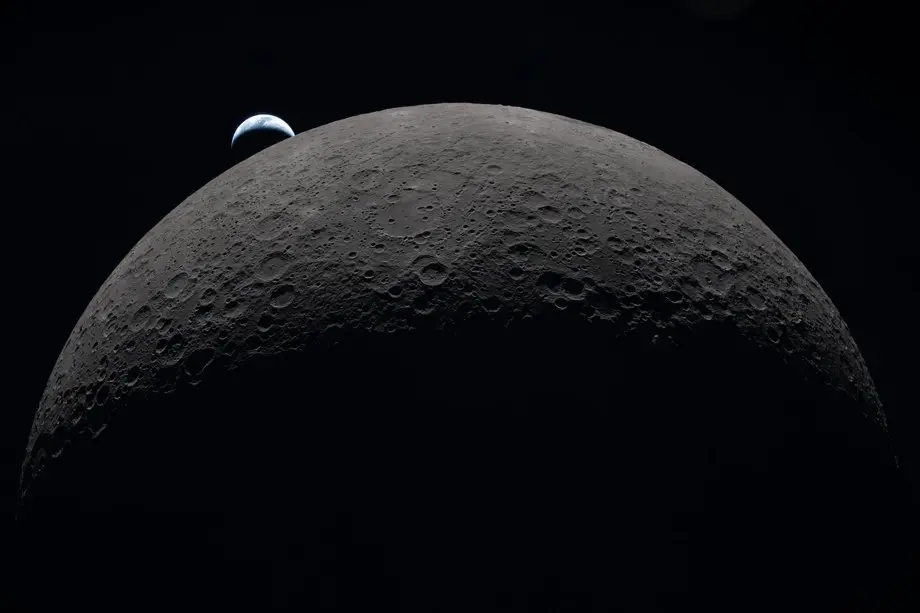
    Start with the full lunar disk. Move along the day–night boundary at low power until a crater casts a clear shadow.

  3. Return a night later

    Sketch that same rim and shadow the next evening to see what the changing angle of sunlight reveals.

Best telescope for viewing The Moon: Sky-Watcher Heritage 130P tabletop reflector — to inspect craters at the lunar terminator. The phases are visible by eye. on Amazon

A closer look at The Moon

The dark patches you can see on the Moon without a telescope are mostly ancient plains of volcanic rock. The brighter highlands are generally older and more heavily cratered.

The Moon keeps nearly the same face toward Earth as it orbits. Over time, small changes in the viewing angle let us peer a little way around its edges.

Start with a half-lit Moon. Examine the boundary between light and dark, where low sunlight makes crater rims and mountain peaks stand out. The angular size of a distant body determines how much of its surface a telescope can resolve. Two surface markings can blend together when their separation falls below a telescope’s angular resolution.

Want to learn more about the Moon? Moon on Wikipedia.