

LIBRE TELESCOPE
Menu
Book Event

Sky Guide

Southern Beehive Cluster

NGC 2516

Quick Stats

Name:
Southern Beehive Cluster (NGC 2516)
Type:
Object
Observability:
Naked eye
Best telescope for viewing:
Celestron StarSense Explorer DX 102AZ refractor — to keep the central concentration and outliers in one view.

How to view NGC 2516

  1. Choose a southern observing site

    At declination 60.8° south this field stays below the horizon across the contiguous U.S. West Coast. Use a southern observatory’s images or observe through a remote telescope farther south.

  2. Find the field

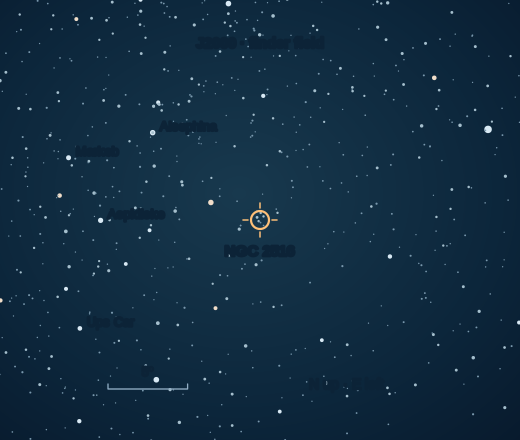
    On the north-up chart, start at Avior. The target lies about 3.3° southwest of it. Match the surrounding stars before changing magnification.

  3. Check the identification

    The catalogued long axis is 24.3 arcminutes. Keep a few field stars beyond the cluster in the eyepiece. Compare the density in the middle with the density near the edge.

Best telescope for viewing NGC 2516: Celestron StarSense Explorer DX 102AZ refractor — to keep the central concentration and outliers in one view. on Amazon

A closer look at NGC 2516

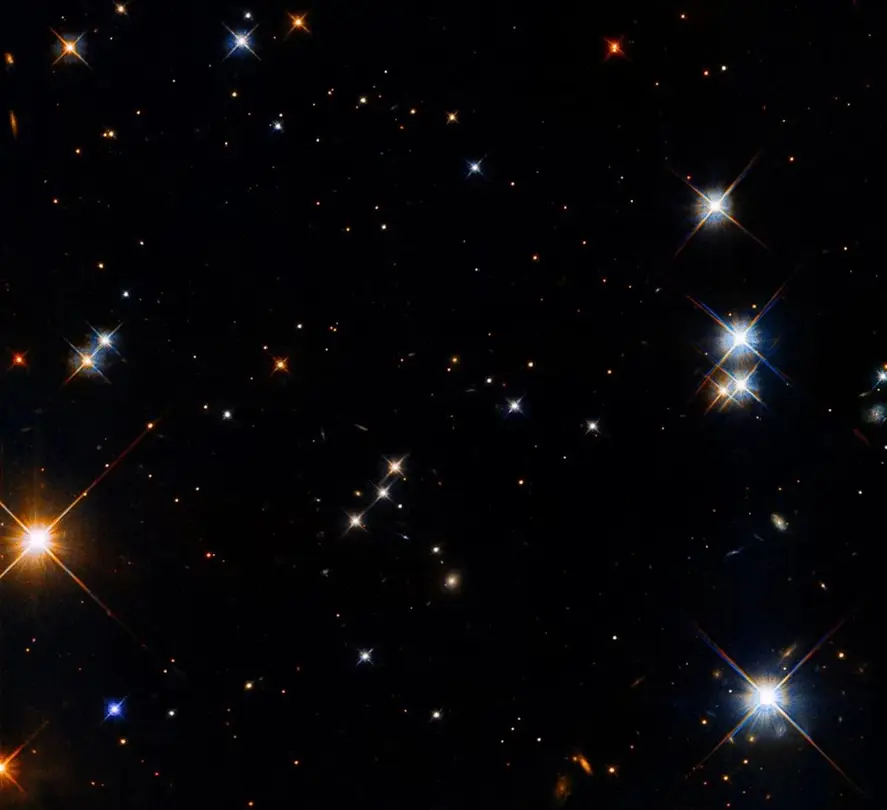
The Southern Beehive is a rich open cluster in Carina. Its bright members and broad spread make it particularly suitable for a first binocular sweep.

Fit the group and some surrounding sky into the same field. Look for the contrast between a few prominent stars and the many fainter ones.

Begin your chart search at Avior, then move about 3.3° southwest to the target field. Allow for a catalogue size of 24.3′ across when choosing the eyepiece field.

Want to learn more about Southern Beehive Cluster? NGC 2516 on Wikipedia.