

LIBRE TELESCOPE
Menu
Book Event

Sky Guide

The return of Halley’s Comet

Quick Stats

Name:
The return of Halley’s Comet
Type:
Event
Observability:
Naked eye
Rarity:
Very rare · About every 76 years
Date of last occurrence:
Feb 9, 1986
Date of next occurrence:
Jul 28, 2061
Date of occurrence after that:
Mar 27, 2134
Best telescope for viewing:
Celestron Cometron 7×50 binoculars — for the coma and tail during the predicted bright part of the 2061 return.

Perihelion · future dates predicted · Calendar reference: November 28, 2026.

How to view The return of Halley’s Comet

  1. Check the returning comet

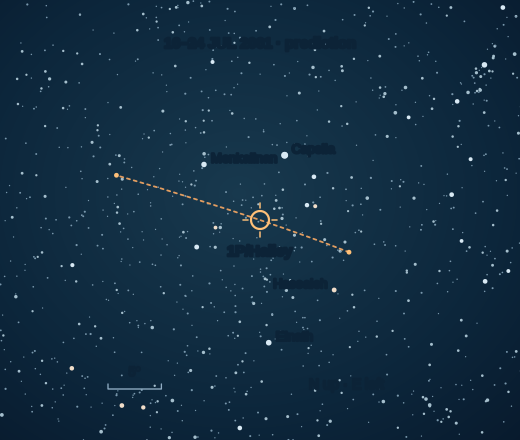
    July 16–24, 2061 · forecast. Consult a new ephemeris closer to the 2061 return for your West Coast city. The dates describe a forecast, and comet brightness is uncertain.

  2. Choose a dark horizon

    Use the chart to locate the comet in darkness before dawn. Finish any binocular observing before sunrise.

  3. Follow the changing shape

    Sketch the coma and any tail against two or three reference stars. Compare observations on successive mornings as the comet moves.

Best telescope for viewing The return of Halley’s Comet: Celestron Cometron 7×50 binoculars — for the coma and tail during the predicted bright part of the 2061 return. on Amazon

A closer look at The return of Halley’s Comet

Edmond Halley noticed that comets recorded in 1531, 1607 and 1682 had followed remarkably similar paths. He argued that observers had seen the same comet three times and predicted another visit in 1758. The comet reappeared that year, long after Halley’s death.

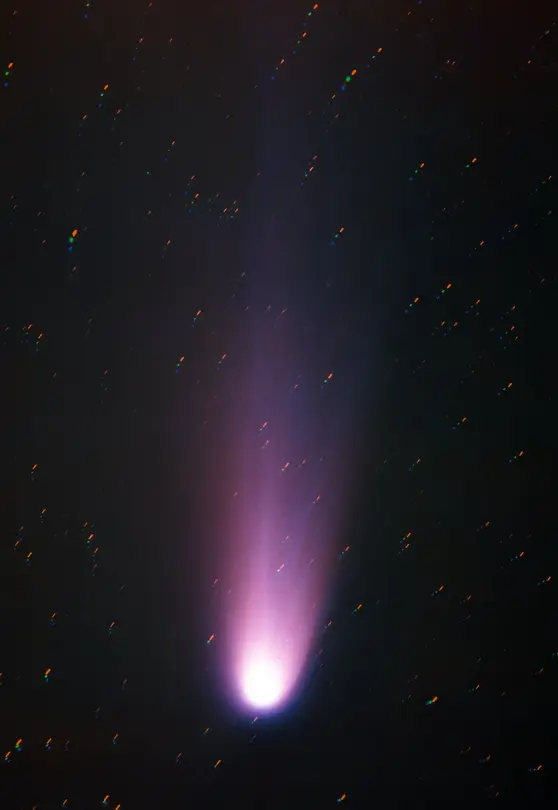
The date astronomers use for a return is perihelion, the moment the comet comes closest to the Sun. Sunlight warms its icy nucleus, releasing gas and dust that help form its tails. In 1986, the European spacecraft Giotto flew close enough to photograph the dark nucleus inside all that activity.

For the 2061 return, forecasts for the central United States favor a July morning with a clear northeastern horizon. The comet should climb higher before dawn in mid-July than on its perihelion date. Each May and October, you can already see pieces of Halley when its dust grains produce the Eta Aquariid and Orionid meteor showers.

Want to learn more about the return of Halley’s Comet? Halley's Comet on Wikipedia.