

LIBRE TELESCOPE
Menu
Book Event

Sky Guide

The October Draconids

Quick Stats

Name:
The October Draconids
Type:
Event
Observability:
Naked eye
Rarity:
Very common · Annual stream passage, peak strength varies
Date of last occurrence:
Oct 9, 2026
Date of next occurrence:
Oct 9, 2027
Date of occurrence after that:
Approximately Oct 8, 2028
Best telescope for viewing:
Use the naked eye. A reclining chair lets you keep a wide stretch of sky in view.

Nominal peak · UT · ~ estimated · Calendar reference: November 28, 2026.

How to view The October Draconids

  1. Choose your Pacific observing night

    October 8–10, 2027. Draco is well placed in the early evening. Begin after dark while the radiant is still high.

  2. Use the widest view

    Recline away from local lights and face a broad patch of sky away from the radiant. Meteors near the radiant often have very short trails.

  3. Record a useful count

    Note the start and end of each watch, any cloud cover and how many trails trace back to the radiant. Compare counts for equal lengths of clear watching time.

A closer look at The October Draconids

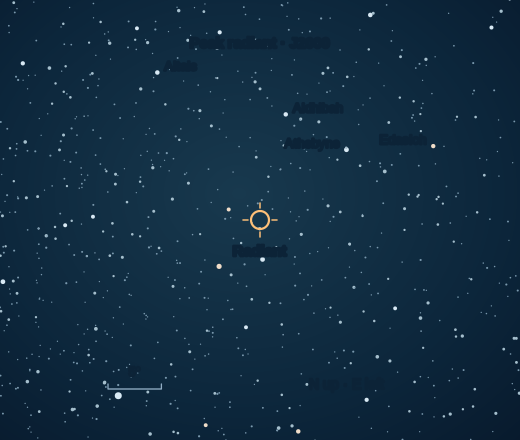
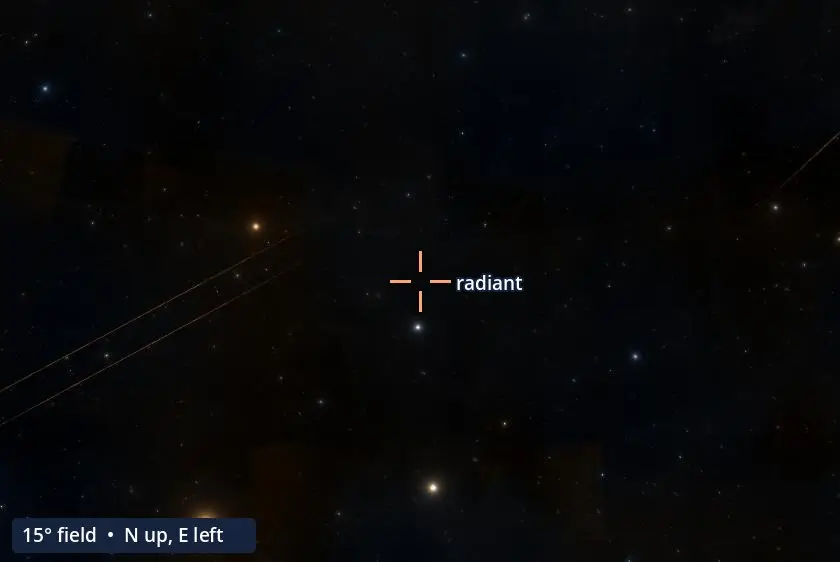
The October Draconids are debris from Comet 21P/Giacobini–Zinner. Their characteristically slow meteors seem to drift away from a radiant in the head of Draco.

About 69% of the lunar disk is illuminated at 12:00 UT on Oct 9, 2027. Faint trails will be hard to see while the Moon is above the horizon. Try to use a moonless interval and shield direct glare.

The radiant is already high in the northern evening. Most returns are modest, while close encounters with dense dust trails have occasionally produced spectacular outbursts.

Want to learn more about the October Draconids? Draconids on Wikipedia.