

LIBRE TELESCOPE
Menu
Book Event

Sky Guide

The June Bootids

Quick Stats

Name:
The June Bootids
Type:
Event
Observability:
Naked eye
Rarity:
Very common · Annual stream passage, peak strength varies
Date of last occurrence:
Jun 22, 2026
Date of next occurrence:
Jun 22, 2027
Date of occurrence after that:
Approximately Jun 21, 2028
Best telescope for viewing:
Use the naked eye. A reclining chair lets you keep a wide stretch of sky in view.

Nominal peak · UT · ~ estimated · Calendar reference: November 28, 2026.

How to view The June Bootids

  1. Choose your Pacific observing night

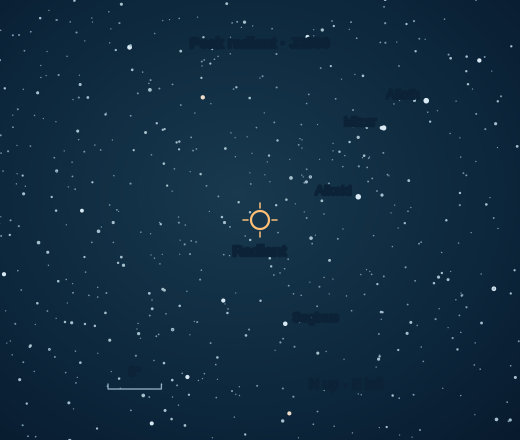
    June 21–23, 2027. Start at nightfall while Boötes is well placed. Watch for the unusually slow motion that can distinguish a Bootid.

  2. Use the widest view

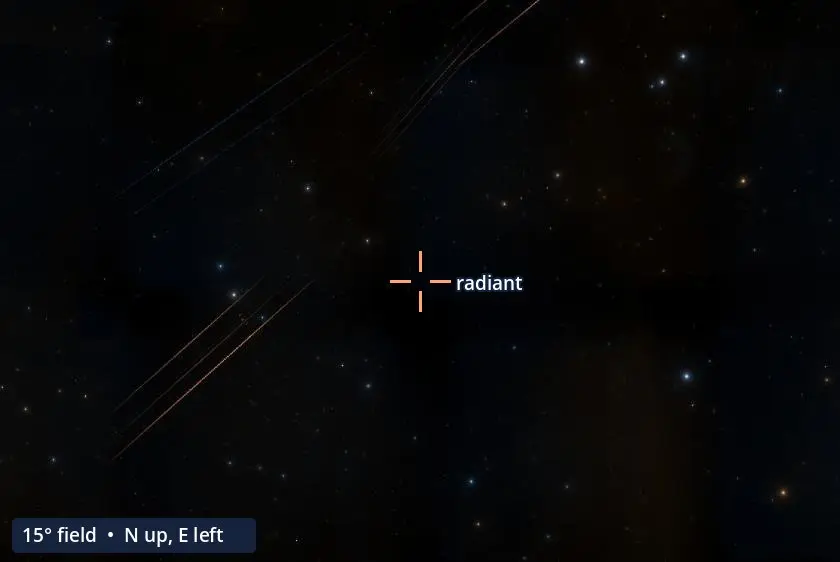
    Recline away from local lights and face a broad patch of sky away from the radiant. Meteors near the radiant often have very short trails.

  3. Record a useful count

    Note the start and end of each watch, any cloud cover and how many trails trace back to the radiant. Compare counts for equal lengths of clear watching time.

A closer look at The June Bootids

The June Bootids are a variable stream associated with Comet 7P/Pons–Winnecke. The unusually slow meteors are memorable in good years, but many annual returns yield little visible activity.

About 89% of the lunar disk is illuminated at 12:00 UT on Jun 22, 2027. Faint trails will be hard to see while the Moon is above the horizon. Try to use a moonless interval and shield direct glare.

The IMO nominal maximum is a calendar reference for the stream. Past outbursts have occurred away from it, so a run on a neighboring night can be worth recording.