

LIBRE TELESCOPE
Menu
Book Event

Sky Guide

The Geminid meteor shower

Quick Stats

Name:
The Geminid meteor shower
Type:
Event
Observability:
Naked eye
Rarity:
Very common · Every December
Date of last occurrence:
Dec 14, 2025
Date of next occurrence:
Dec 14, 2026
Date of occurrence after that:
Dec 14, 2027
Best telescope for viewing:
Use the naked eye. A reclining chair lets you keep a wide stretch of sky in view.

Shower peak · UT · Calendar reference: November 28, 2026.

How to view The Geminid meteor shower

  1. Choose your Pacific observing night

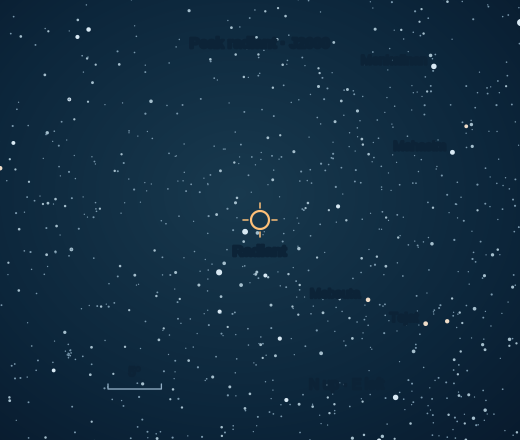
    Night of December 13–14, 2026. The radiant in Gemini climbs as the night goes on. Try late evening through the hours before dawn.

  2. Use the widest view

    Recline away from local lights and face a broad patch of sky away from the radiant. Meteors near the radiant often have very short trails.

  3. Record a useful count

    Note the start and end of each watch, any cloud cover and how many trails trace back to the radiant. Compare counts for equal lengths of clear watching time.

A closer look at The Geminid meteor shower

A Geminid begins as a bit of debris moving through space. Each December, Earth crosses a stream of these particles. They strike our atmosphere at about 22 miles per second, leaving brief streaks of light. The stream is associated with an asteroid called 3200 Phaethon, an unusual parent for a major meteor shower.

Trace several streaks backward in your imagination and they converge near Gemini, the Twins. That point gives the shower its name. The effect comes from perspective, much as parallel railroad tracks seem to meet in the distance. A meteor can flash across almost any part of the sky.

For the 2026 peak, head out on the evening of December 13 and stay into the morning of the 14th. A waxing crescent Moon leaves the later hours dark. Give your eyes about half an hour to adjust, put your phone away, and let each person watch a different patch of sky.

Want to learn more about the Geminid meteor shower? Geminids on Wikipedia.