

A closer look at 51 Pegasi b
This world helped overturn the idea that giant planets must live far from their stars. Its discovery in 1995 revealed a Jupiter-like companion racing around an ordinary Sun-like star in just a few days.
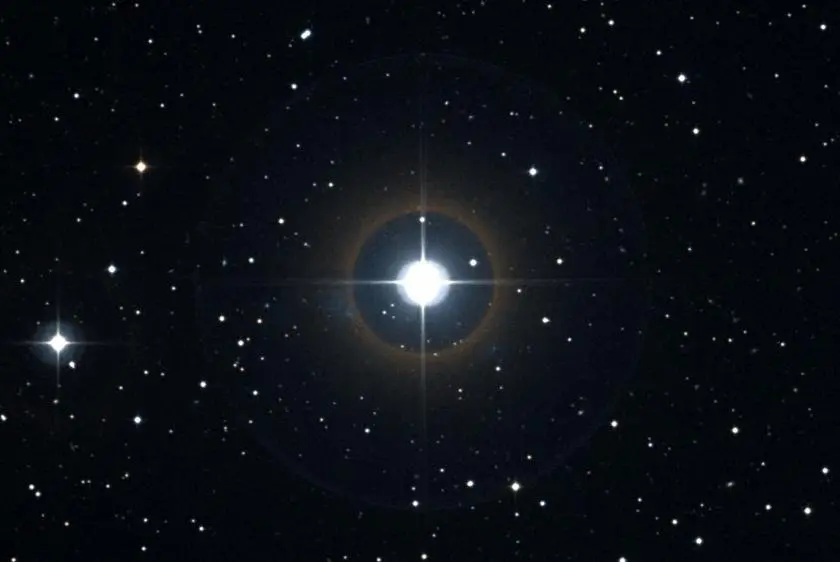
The system is about 50 light-years away, and the catalogue gives an orbital period of roughly 4.23 days. The host has visual magnitude 5.45, which sets the scale of the starlight an observer must contend with.
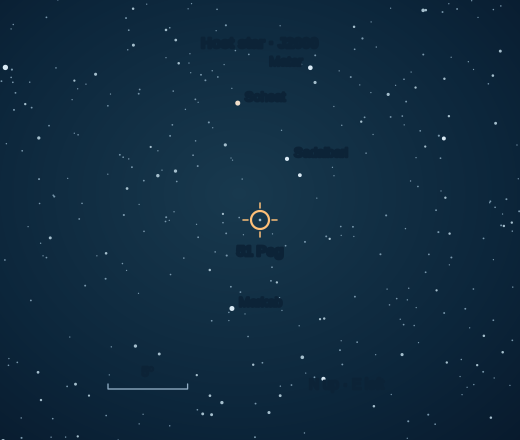
The discovery came from a repeating shift in the star’s spectral lines. You can locate the host in Pegasus, while the planet’s tug requires precision spectroscopy.
NASA · planet archive · Host star on Wikipedia: 51 Pegasi · Identifiers and catalog cross-references
Want to learn more about 51 Pegasi b? 51 Pegasi b on Wikipedia.