
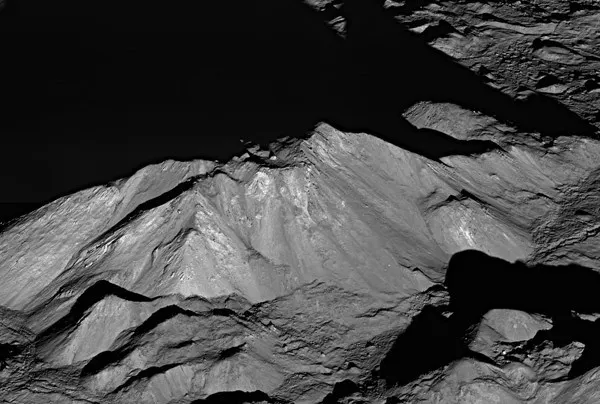
A closer look at Secondary crater
Debris thrown from a primary impact can strike the surface and make secondary craters.
They often occur in chains or clusters, although individual examples may resemble primary impacts. Their identification matters for crater-based dating. Material excavated by an impact lands around the crater as an ejecta blanket.
Counting many secondaries from one event as independent impacts could make an exposed region appear older than it really is. For the surrounding ideas, see Complex crater.
Want to learn more about Secondary crater? Secondary crater on Wikipedia.