
A closer look at Lucky imaging
Lucky imaging records many short frames and keeps or weights those captured during comparatively steady atmospheric moments.
Registering and combining the sharper frames can recover fine detail on bright targets. Short exposures need adequate signal. Drift alignment uses a star’s slow drift to refine the direction of an equatorial mount’s polar axis. Full width at half maximum measures the distance between the two places where a profile falls to half its peak above background.
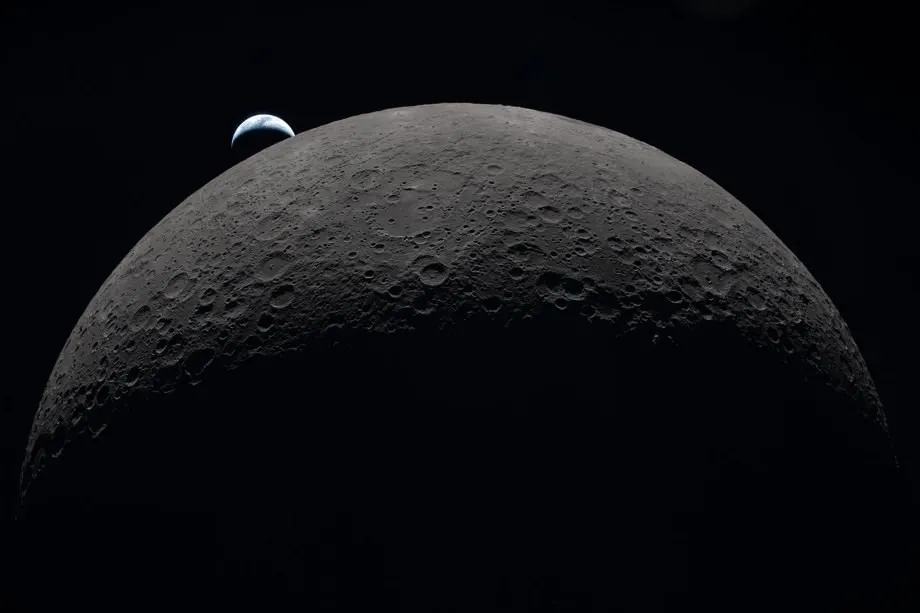
A turbulent sequence of lunar images often contains brief crisp frames. Compare their crater edges before and after alignment to see what the selection contributed.
Want to learn more about Lucky imaging? Lucky imaging on Wikipedia.