
A closer look at Light-time correction
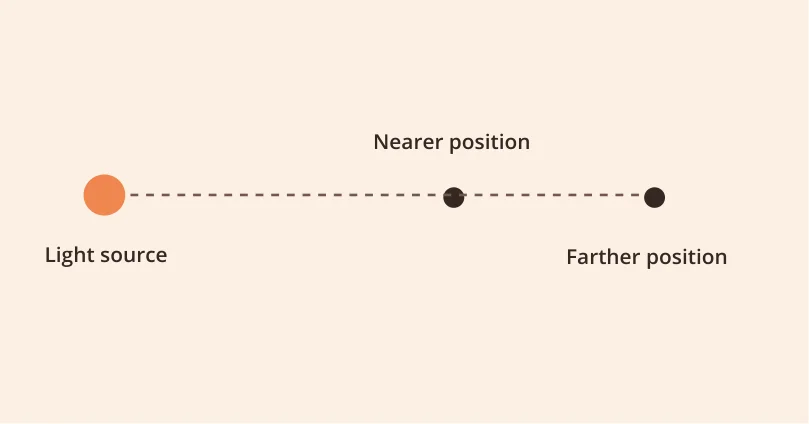
An astronomical light-time correction accounts for a signal’s finite travel time when relating an observation to an earlier source event or another reference location.
Precision work specifies the geometry and time scale used. Ole Rømer inferred that light takes time to travel from systematic changes in the apparent schedule of Io’s eclipses. James Bradley discovered stellar aberration while investigating shifts in star positions.
Two observatories can receive the same flash at slightly different times. Reducing both timestamps to a common reference point makes the comparison more meaningful.
Want to learn more about Light-time correction? Light-time correction on Wikipedia.