
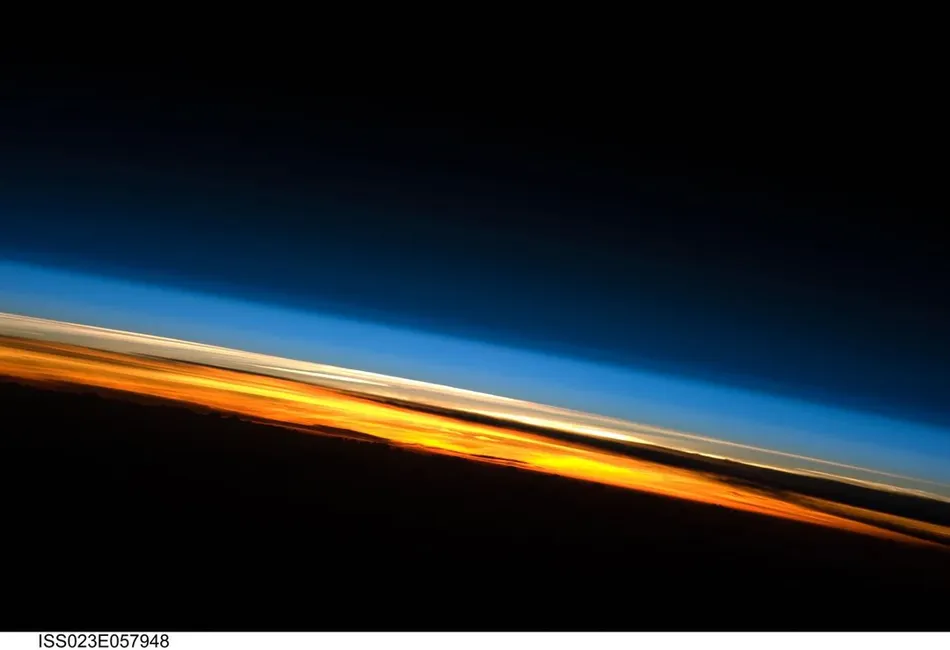
A closer look at Atmospheric dispersion
Earth’s atmosphere refracts blue and red light by different amounts.
Low-altitude objects can acquire colored edges because the light has passed obliquely through more air. An atmospheric dispersion corrector introduces an opposing wavelength-dependent displacement.
When a planet rises, check whether its red and blue edges draw closer together. The time dependence helps distinguish atmospheric dispersion from a fixed lens defect. Combining optical materials helps designers reduce chromatic aberration.
Want to learn more about Atmospheric dispersion? Atmospheric refraction on Wikipedia.