

LIBRE TELESCOPE
Menu
Book Event

Quick Stats

Name:
Vesta
Type:
Object
Observability:
Intermediate
Best telescope for viewing:
Celestron Cometron 7×50 binoculars — for Vesta near a favorable opposition, using a current finder chart.

How to view Vesta

  1. Select a dated position

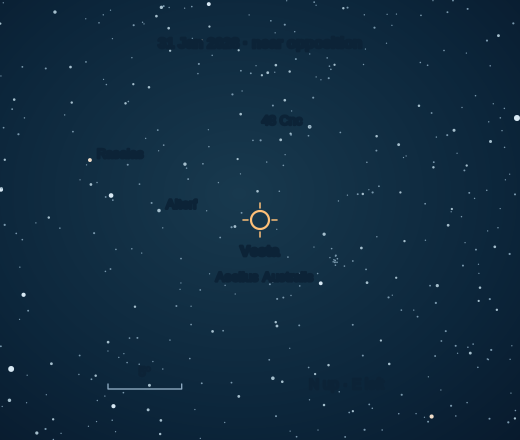
    Try January 26–February 2, 2028. In JPL Horizons, select your West Coast observing site and use local twilight to choose an observing time for Vesta.

  2. Photograph the field

    Center the predicted position of Vesta on the first night. Save a second image of the same stars at another time, with the date and time recorded for each.

  3. Confirm the shift

    Align the stars in the two images and look for a point that moves in the predicted direction. A return visit lets you pick out Vesta from the pattern without relying on color.

Best telescope for viewing Vesta: Celestron Cometron 7×50 binoculars — for Vesta near a favorable opposition, using a current finder chart. on Amazon

A closer look at Vesta

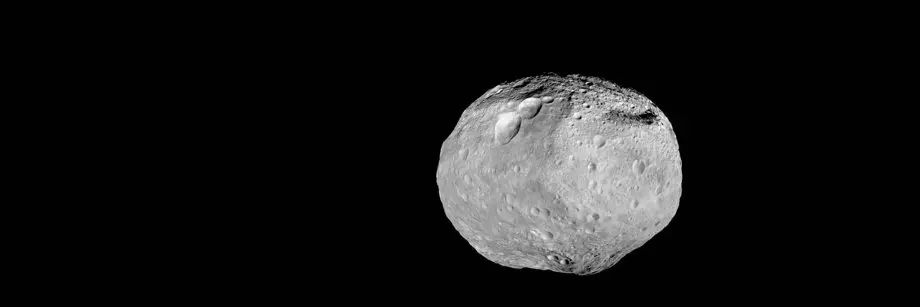
Vesta is a large asteroid, bright enough to follow with binoculars during favorable appearances. It moves measurably against the background stars.

Dawn mapped a huge impact basin in the south. Fragments of Vesta have even reached Earth as meteorites.

Sketch the asteroid and three nearby stars. A return visit lets you pick out Vesta from the pattern without relying on color. The angular size of a distant body determines how much of its surface a telescope can resolve.