

LIBRE TELESCOPE
Menu
Book Event

Sky Guide

The Southern Taurids

Quick Stats

Name:
The Southern Taurids
Type:
Event
Observability:
Naked eye
Rarity:
Very common · Annual stream passage, peak strength varies
Date of last occurrence:
Nov 5, 2026
Date of next occurrence:
Nov 6, 2027
Date of occurrence after that:
Approximately Nov 5, 2028
Best telescope for viewing:
Use the naked eye. A reclining chair lets you keep a wide stretch of sky in view.

Nominal peak · UT · ~ estimated · Calendar reference: November 28, 2026.

How to view The Southern Taurids

  1. Choose your Pacific observing night

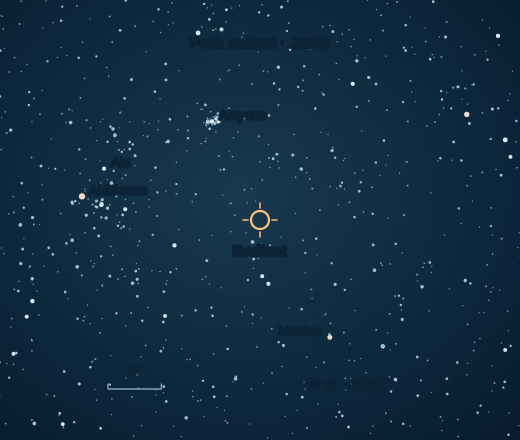
    November 5–7, 2027. Taurus climbs well above the eastern horizon before midnight in autumn. Count slow trails that point back toward its southern branch.

  2. Use the widest view

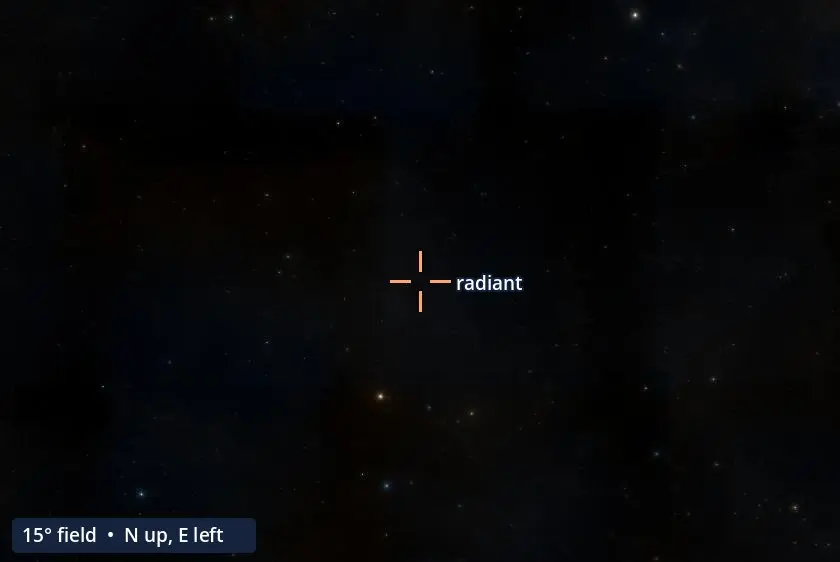
    Recline away from local lights and face a broad patch of sky away from the radiant. Meteors near the radiant often have very short trails.

  3. Record a useful count

    Note the start and end of each watch, any cloud cover and how many trails trace back to the radiant. Compare counts for equal lengths of clear watching time.

A closer look at The Southern Taurids

The Southern Taurids are one branch of a broad debris complex associated with Comet Encke. Its larger particles can produce slow, bright fireballs.

About 52% of the lunar disk is illuminated at 12:00 UT on Nov 6, 2027. Consult local moonrise and moonset to reserve the darkest part of the night for counting faint meteors.

The shower lasts for weeks and its nominal November peak is broad. Several shorter observing runs can be more representative than one vigil on the listed date. A chart of the celestial sphere helps translate an event’s position into a direction from your observing site. Over centuries, axial precession changes the reference directions used on modern sky charts.

Want to learn more about the Southern Taurids? Taurids on Wikipedia.