

LIBRE TELESCOPE
Menu
Book Event

Sky Guide

The Quadrantids

Quick Stats

Name:
The Quadrantids
Type:
Event
Observability:
Naked eye
Rarity:
Very common · Annual stream passage, peak strength varies
Date of last occurrence:
Jan 3, 2026
Date of next occurrence:
Jan 4, 2027
Date of occurrence after that:
Approximately Jan 4, 2028
Best telescope for viewing:
Use the naked eye. A reclining chair lets you keep a wide stretch of sky in view.

Nominal peak · UT · ~ estimated · Calendar reference: November 28, 2026.

How to view The Quadrantids

  1. Choose your Pacific observing night

    January 3–5, 2027. The Quadrantid maximum is brief. Convert the predicted peak from UT to Pacific time before deciding which side of dawn to watch.

  2. Use the widest view

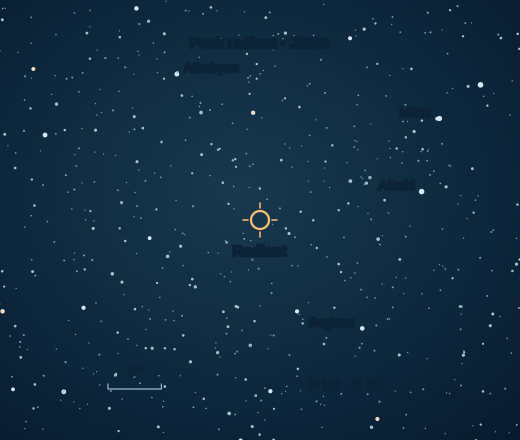
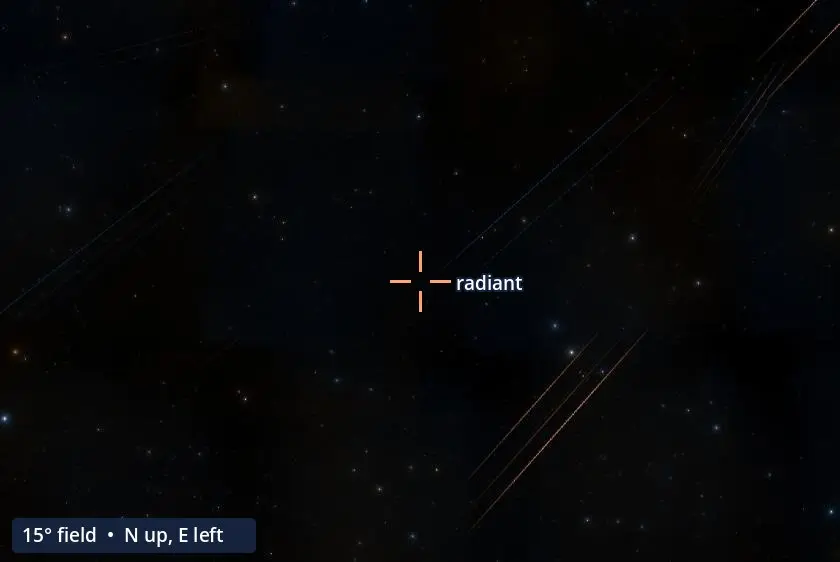
    Recline away from local lights and face a broad patch of sky away from the radiant. Meteors near the radiant often have very short trails.

  3. Record a useful count

    Note the start and end of each watch, any cloud cover and how many trails trace back to the radiant. Compare counts for equal lengths of clear watching time.

A closer look at The Quadrantids

The Quadrantids have a sharp annual peak linked to debris from 2003 EH1. Their name survives from Quadrans Muralis, a constellation no longer on official maps.

About 10% of the lunar disk is illuminated at 12:00 UT on Jan 4, 2027. This leaves relatively little moonlight. Local cloud and the height of the radiant may matter more to your count.

At northern latitudes the radiant climbs through the night. If the narrow maximum falls during daylight at your site, another longitude can have a very different show. A chart of the celestial sphere helps translate an event’s position into a direction from your observing site.