

LIBRE TELESCOPE
Menu
Book Event

Sky Guide

Posidonius Crater

Quick Stats

Name:
Posidonius Crater
Type:
Object
Observability:
Easy
Best telescope for viewing:
Celestron NexStar 127SLT Maksutov — for the outline and interior detail at moderate to high power.

How to view Posidonius Crater

  1. Choose the illumination

    Try December 14–16, 2026, or the same lunar illumination in another month. For a West Coast site, check moonset and look while the feature is sunlit and the Moon is high.

  2. Locate the feature

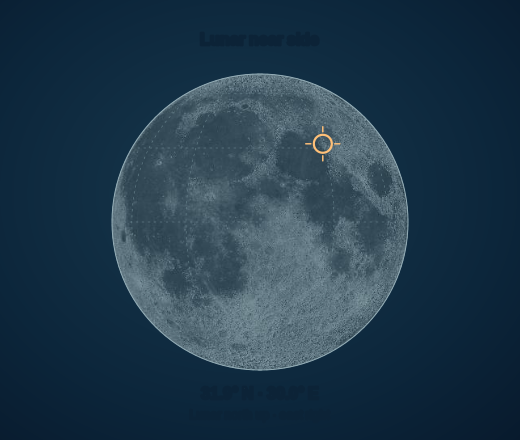
    On a lunar atlas, mark 31.9° N / 30.0° E. Orient the lunar disk in the finder, then move from the nearest broad dark plain or bright crater to Posidonius Crater.

  3. Study the detail

    Look for differences between the outer wall and the interior ridge.

Best telescope for viewing Posidonius Crater: Celestron NexStar 127SLT Maksutov — for the outline and interior detail at moderate to high power. on Amazon

A closer look at Posidonius Crater

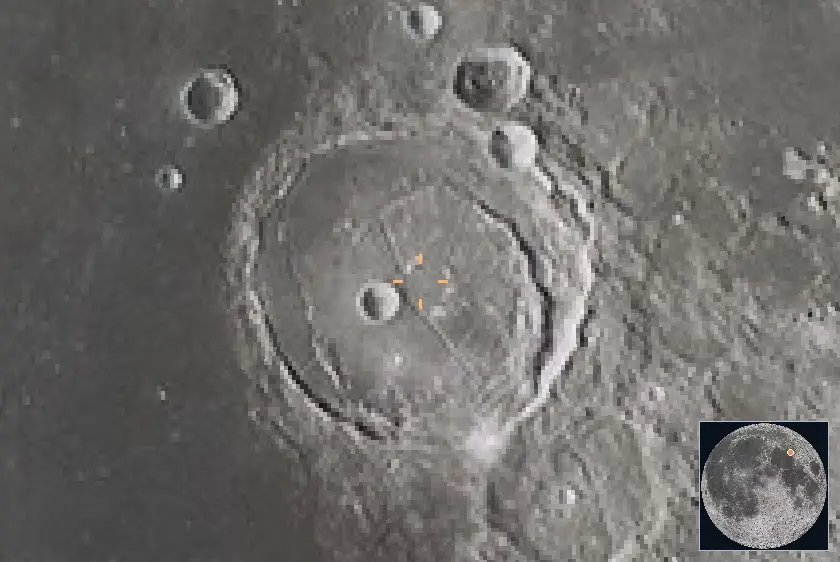
Posidonius appears as a broad ring on the eastern edge of Mare Serenitatis. Its uplifted, fractured floor records changes long after the original impact.

The crater measures about 95 km across. As a scale reference, the crater Chacornac is centered about 75 km away to the southeast.

Start at the shoreline of the dark mare and follow it to the ring. Look for differences between the outer wall and the interior ridge. Low sunlight near the lunar terminator makes shallow ridges and crater walls cast long shadows.