

LIBRE TELESCOPE
Menu
Book Event

Sky Guide

Montes Riphaeus

Quick Stats

Name:
Montes Riphaeus
Type:
Object
Observability:
Intermediate
Best telescope for viewing:
Celestron NexStar 127SLT Maksutov — for the changing pattern of light and shadow on this terrain.

How to view Montes Riphaeus

  1. Choose the illumination

    Try December 19–21, 2026, or the same lunar illumination in another month. For a West Coast site, check moonset and look while the feature is sunlit and the Moon is high.

  2. Locate the feature

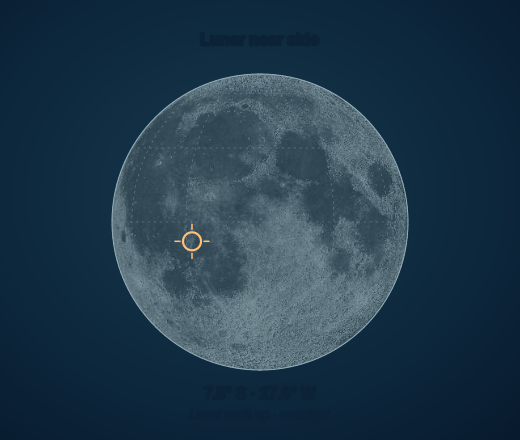
    On a lunar atlas, mark 7.5° S / 27.6° W. Orient the lunar disk in the finder, then move from the nearest broad dark plain or bright crater to Montes Riphaeus.

  3. Study the detail

    High sunlight makes the group look considerably flatter.

Best telescope for viewing Montes Riphaeus: Celestron NexStar 127SLT Maksutov — for the changing pattern of light and shadow on this terrain. on Amazon

A closer look at Montes Riphaeus

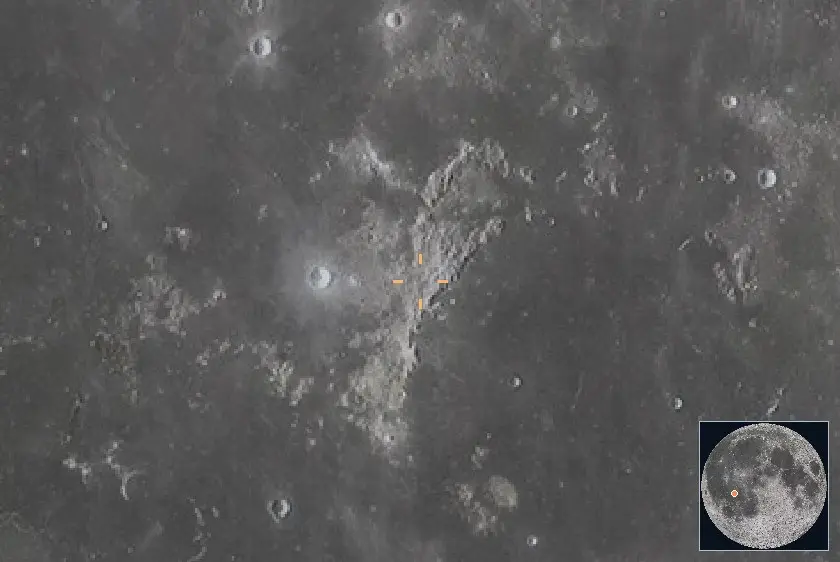
The Riphaean Mountains form an irregular island of high terrain amid western lava plains. Nearby dark mare provides a clean backdrop against which to pick out the ridges.

The IAU catalogue gives 190 km for its extent. The center of the crater Bonpland is about 310 km to its east, measured along the lunar surface.

Observe near local sunrise or sunset and follow the separate shadowed crests. High sunlight makes the group look considerably flatter. Low sunlight near the lunar terminator makes shallow ridges and crater walls cast long shadows. The guide to impact craters explains how an impact excavates a cavity and throws debris beyond its rim.