

LIBRE TELESCOPE
Menu
Book Event

Sky Guide

Marius Crater

Quick Stats

Name:
Marius Crater
Type:
Object
Observability:
Intermediate
Best telescope for viewing:
Celestron NexStar 127SLT Maksutov — for the outline and interior detail at moderate to high power.

How to view Marius Crater

  1. Choose the illumination

    Try December 21–23, 2026, or the same lunar illumination in another month. For a West Coast site, check moonset and look while the feature is sunlit and the Moon is high.

  2. Locate the feature

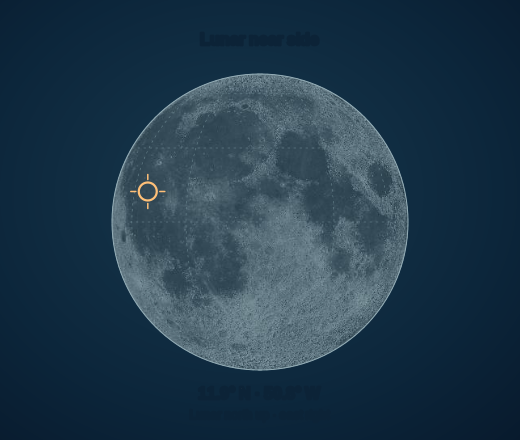
    On a lunar atlas, mark 11.9° N / 50.8° W. Orient the lunar disk in the finder, then move from the nearest broad dark plain or bright crater to Marius Crater.

  3. Study the detail

    Make a second visit under brighter illumination to see why timing matters.

Best telescope for viewing Marius Crater: Celestron NexStar 127SLT Maksutov — for the outline and interior detail at moderate to high power. on Amazon

A closer look at Marius Crater

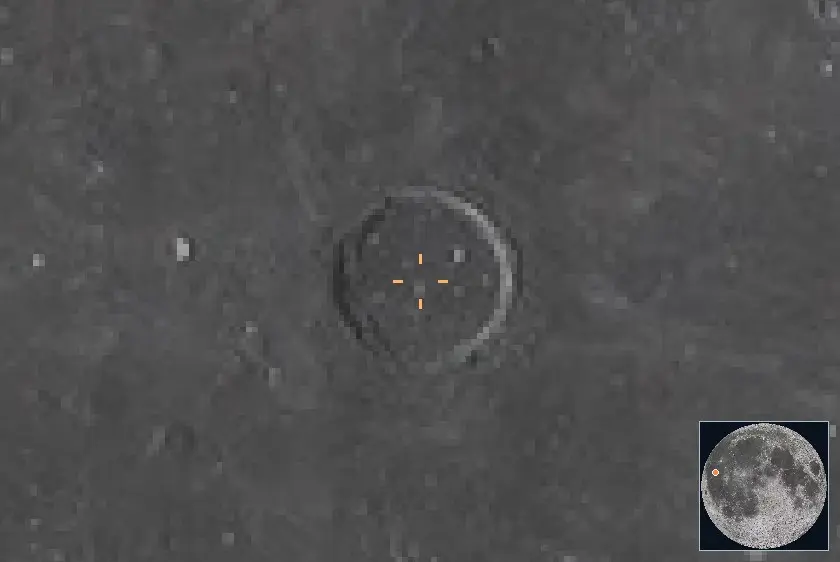
The Marius Hills contain a broad collection of volcanic domes and cones in Oceanus Procellarum. Marius crater is a practical landmark for locating this lunar volcanic province.

On a north-up lunar map, the center of Prinz lies about 455 km northeast of this feature. The crater measures about 40 km across.

First center the crater, then sweep into the rougher terrain nearby. Make a second visit under brighter illumination to see why timing matters. Low sunlight near the lunar terminator makes shallow ridges and crater walls cast long shadows.