

LIBRE TELESCOPE
Menu
Book Event

Sky Guide

Kepler-16 b

Quick Stats

Name:
Kepler-16 b
Type:
Object
Observability:
Expert
Best telescope for viewing:
Space-based photometry or equivalent research data for the very shallow transit. Use the published light curve.

How to view Kepler-16 b

  1. Plan around meridian passage

    Try July 31–August 4, 2027. At its highest the field is about 72° above the horizon in Los Angeles and 86° in Seattle. Use your city’s meridian time for the best view.

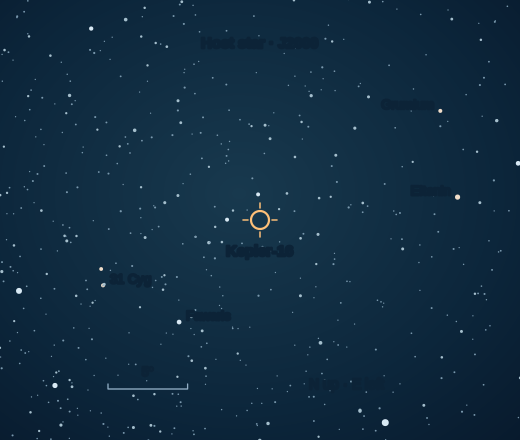
  2. Identify the host star

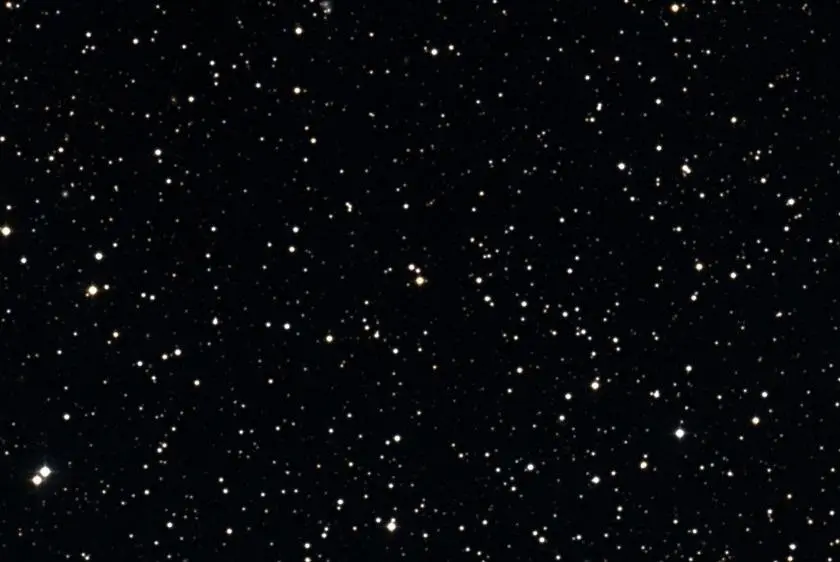
    On the north-up chart, start at Fawaris. The target lies about 8.1° northwest of it. Match the surrounding stars before changing magnification. The point to identify is Kepler-16, listed at visual magnitude 12.1.

  3. Inspect the transit light curve

    Open the archived observations of this host. Normalize the brightness outside transit and compare repeated dips at the published orbital period.

A closer look at Kepler-16 b

Kepler-16 b travels around two stars that themselves eclipse one another. The planet’s passages and the stellar eclipses together revealed the architecture of a circumbinary system.

The system is about 245 light-years away, and the catalogue gives an orbital period of roughly 229 days. The host has visual magnitude 12.14, which sets the scale of the starlight an observer must contend with.

Compare the different depths and intervals in the published light curve. A planet orbiting two moving stars creates more complicated timing than a planet crossing one star.