

LIBRE TELESCOPE
Menu
Book Event

Sky Guide

Dinkinesh

Quick Stats

Name:
Dinkinesh
Type:
Object
Observability:
Expert
Best telescope for viewing:
Deep, tracked observatory imaging during a favorable apparition. Spacecraft mission images show the asteroid’s surface.

How to view Dinkinesh

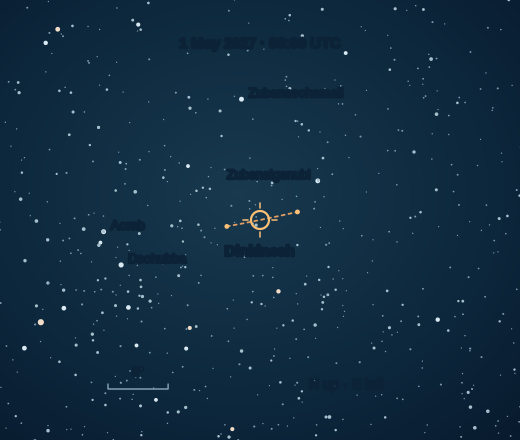
  1. Select a dated position

    Try May 2–12, 2027. In JPL Horizons, select your West Coast observing site and use local twilight to choose an observing time for Dinkinesh.

  2. Photograph the field

    Center the predicted position of Dinkinesh on the first night. Save a second image of the same stars at another time, with the date and time recorded for each.

  3. Confirm the shift

    Align the stars in the two images and look for a point that moves in the predicted direction. A deep exposure at the correct ephemeris position can target the combined light of the system.

A closer look at Dinkinesh

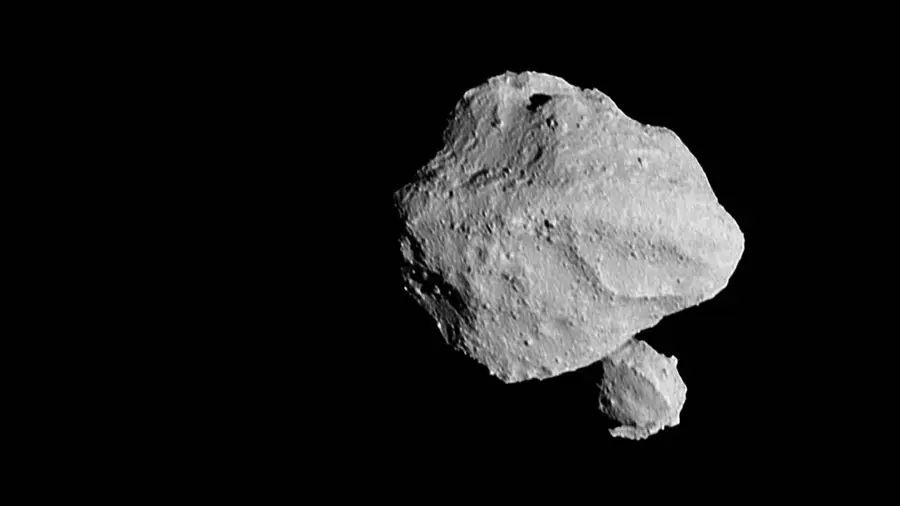
Lucy’s first asteroid encounter revealed that Dinkinesh has a moon named Selam. That small satellite is itself shaped like two bodies joined together.

The Lucy spacecraft found a satellite, Selam, during its 2023 flyby. Selam itself has two touching lobes, a surprising extra layer of structure around a main-belt asteroid less than a kilometer wide.

A ground telescope cannot split Selam from the primary. A deep exposure at the correct ephemeris position can target the combined light of the system. The angular size of a distant body determines how much of its surface a telescope can resolve. Two surface markings can blend together when their separation falls below a telescope’s angular resolution.